Last Updated on October 14, 2026
Beet water, the colorful liquid left over after boiling beets, is something many people pour down the drain without a second thought. Beets are known for their deep red color, earthy flavor, and nutritional value. But what happens to the water after cooking them? Does it contain anything useful, or is it simply colored water?
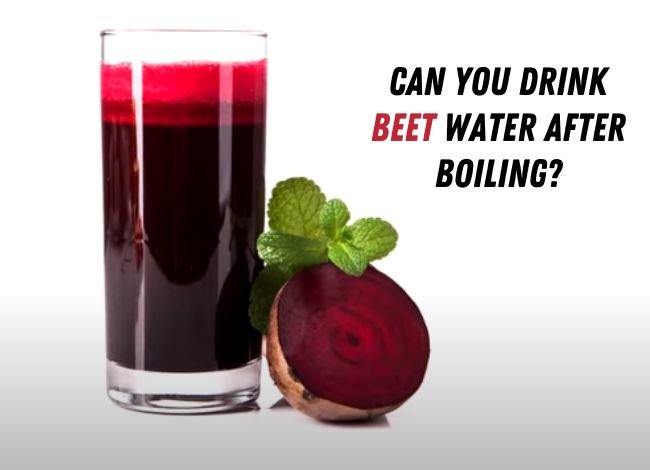
Can you drink beet water after boiling? Yes, in most cases, you can safely drink the water left over from boiling properly washed beets, provided it has been prepared and stored safely. The liquid may contain some minerals, natural pigments, and other water-soluble compounds released from the vegetables during cooking.
However, beet water is not the same as fresh beetroot juice, and its nutritional value depends on how the beets were prepared. It may be a useful addition to your diet, but it is important to understand what it contains, how to use it, and when you should avoid drinking it.
Can You Drink Beet Water After Boiling?
Yes, you can drink beet water after boiling fresh beets. When the vegetables simmer, some of their natural color, flavor, and water-soluble compounds move into the surrounding water. This gives the liquid its reddish-purple appearance and mildly earthy taste.
For most healthy adults, drinking a reasonable amount of clean, unsalted beet cooking water is generally fine. You can enjoy it warm, allow it to cool, or use it as an ingredient in other recipes.
There are a few precautions worth remembering. Always wash the beets thoroughly before cooking, especially if you plan to save the liquid. Soil and other contaminants on the outer surface can affect the cleanliness of the cooking water.
Also, avoid drinking the liquid if it contains excessive salt or ingredients you need to limit. If you’re following a medically prescribed low-oxalate diet, saving the cooking water may not be appropriate because some oxalates can move into the water during boiling.
So, the short answer is yes, but the quality of the water, your dietary needs, and how you store it all matter.
Nutritional Content of Beet Water
Beets contain several nutrients and naturally occurring plant compounds. During boiling, some water-soluble substances may leave the vegetable and enter the cooking water.
However, there is no single nutritional value that applies to every cup of homemade beet water. The amount of liquid used, whether the beets are peeled or cut, and the cooking time can all influence its composition.
Vitamins and Minerals
Beets naturally contain nutrients such as folate, potassium, magnesium, and manganese. Some water-soluble nutrients and minerals can move into the cooking liquid as the vegetables soften.
Potassium, for example, is involved in normal nerve, muscle, and fluid-balance functions. Folate supports normal cell growth and development.
However, you shouldn’t assume that a cup of beet water provides the same quantities of these nutrients as a serving of whole beets. Some vitamins are also sensitive to heat and may be reduced during cooking.
Antioxidants and Betalains
Beets get their distinctive red and purple color from natural pigments called betalains. Some of these pigments can move into the cooking water, which explains its bright appearance.
Betalains have shown antioxidant activity in laboratory research. However, their concentration can change during heating, and the presence of these compounds does not mean drinking beet water will prevent chronic diseases.
Natural Dietary Nitrates
Beets are a natural source of dietary nitrate. Because nitrate dissolves in water, some of it may enter the cooking liquid during boiling.
After consumption, the body can convert dietary nitrate into nitric oxide through a series of biological processes. Nitric oxide helps regulate blood vessel function.
However, the nitrate concentration in homemade beet water is unpredictable. Research involving measured doses of concentrated beetroot juice cannot be used to establish an equivalent health benefit from ordinary beet cooking water.
Calories and Natural Sugars
Plain beet water is generally a relatively light beverage, particularly when the beets are boiled whole in a generous amount of water. Some naturally occurring sugars and other soluble substances may enter the liquid.
The calorie and carbohydrate content will vary with preparation. It would be inaccurate to assign a fixed calorie count without analyzing the actual liquid.
If you’re monitoring carbohydrate intake, remember that beet water should not automatically be considered completely sugar-free, especially if it has been concentrated or sweetened.
Health Benefits of Drinking Beet Water
There are several reasons you might want to save beet water instead of discarding it. However, its potential benefits should be distinguished from the much more extensively studied effects of eating beets or drinking beetroot juice.
1. It Contributes to Hydration
One of the simplest benefits of drinking beet water is hydration. Like other unsweetened beverages, it contributes to your daily fluid intake.
Its subtle earthy flavor may appeal to people who enjoy variety in their drinks. Adding a little lemon juice or fresh ginger can make it more refreshing without requiring large amounts of added sugar.
2. It May Provide Some Plant Compounds
Beet water can contain betalains and other soluble compounds released during cooking. These substances have attracted scientific interest because of their antioxidant properties.
However, their actual amounts depend on preparation, and research has not established that regularly drinking leftover beet water produces specific antioxidant-related health outcomes.
3. It May Contain Dietary Nitrate
Dietary nitrate is one of the most studied components of beetroot. Clinical studies involving nitrate-rich beetroot juice suggest that it may modestly reduce systolic blood pressure in some adults with hypertension.
That does not mean boiled beet water produces the same result. Its nitrate content has not been standardized, and research on ordinary homemade cooking water is limited.
If you have high blood pressure, beet water should not replace prescribed medication, regular blood pressure monitoring, or other recommended treatments.
4. It Helps Reduce Food Waste
Another practical benefit is that you can reuse a cooking liquid that would otherwise be discarded.
Instead of preparing a separate liquid for rice, soup, or other recipes, you may be able to use the water from your cooked beets. This makes better use of ingredients while giving dishes a natural color and mild earthy flavor.
Canned or Jarred Beets: Things to Consider
Canned and jarred beets are convenient alternatives to fresh beets. They’re already cooked or processed, which makes them easy to add to salads, side dishes, and other meals.
However, the liquid in a can or jar should not automatically be treated the same way as plain water used to boil fresh beets.
Some products contain added salt, sugar, vinegar, or other ingredients. Pickled beet liquid, for example, is usually a seasoned brine rather than ordinary beet cooking water.
Before using the liquid, read the ingredient label. If the product is packed in water with little or no added sodium, the liquid may be suitable for certain recipes. If it contains large amounts of salt or sugar, consider how those ingredients will affect the final dish.
Always check the packaging for storage and handling instructions. Refrigerate opened beets in an appropriate covered container and follow the manufacturer’s recommendations for using the product after opening.
Discard cans that are bulging, leaking, or severely damaged, and never taste food from packaging that shows signs of spoilage.
What to Do with Beetroot Cooking Water?
Beetroot cooking water has several useful applications in the kitchen. Its color and flavor make it especially interesting for recipes where you want a reddish or purple appearance without using an artificial food dye.
Use It for Cooking Rice or Quinoa
One simple option is to replace some or all of the usual cooking water with cooled beet water when preparing rice or quinoa.
The grains may develop a pink or reddish shade along with a mild earthy flavor. The exact result depends on how concentrated the liquid is and the type of grain you’re cooking.
For a less noticeable beet flavor, mix the cooking liquid with plain water.
Add It to Soups and Broths
Beet water can be a useful base for vegetable soups, particularly recipes that already include root vegetables, tomatoes, or beetroot.
It works especially well in beet-based soups such as borscht, where its color and flavor complement the other ingredients.
For a more savory soup, you can combine beet water with vegetable stock, herbs, and seasonings. If you’re exploring alternatives for stock-based recipes, our guide to chicken stock concentrate substitutes includes several options, including vegetable stock.
Keep in mind that beet water has a much milder flavor than a properly prepared stock. It won’t always work as a direct replacement.
Try It as a Natural Food Coloring
The pigments in beet water can give certain foods a pink or reddish appearance. You can experiment with it in bread dough, homemade pasta, rice, and selected baking recipes.
However, betalain pigments are sensitive to heat and changes in acidity, so the finished color may be lighter or different from the original liquid.
If you’re baking, remember that replacing part of a recipe’s liquid with beet water can affect the color and flavor, but it won’t necessarily produce a bright red cake after heating.
Make a Refreshing Drink
You can also chill the cooking water and drink it plain or with a squeeze of lemon.
Fresh ginger, mint, or a small amount of citrus juice can help balance its earthy taste. Avoid adding unnecessary sugar if you want a lighter beverage.
For food safety, cool and refrigerate the liquid promptly rather than leaving it at room temperature for several hours.
What About Using Beet Water on Plants or Skin?
Some people suggest using leftover beet water on garden plants or as a homemade skin treatment. However, its effects as a fertilizer or skin-care product are not well established.
Salted or seasoned cooking water may damage plants, and homemade liquid preparations can irritate sensitive skin. For these reasons, food preparation is the more practical use for leftover beet water.
What Is Boiled Beet Water Good For?
Boiled beet water is most useful as a hydrating beverage and an ingredient in recipes that benefit from its natural color and earthy flavor.
It may contain some minerals, dietary nitrate, and betalain pigments, although their concentrations are difficult to predict without laboratory testing.
Much of the attention surrounding beets comes from research on whole beetroot, beetroot juice, and concentrated nitrate-rich products. These studies have explored potential effects on blood pressure and exercise performance.
For example, nitrate-rich beetroot juice has been examined for its ability to support nitric oxide production and influence blood vessel function. Some studies have found promising results, but this evidence cannot establish that ordinary boiled beet water offers the same effects.
If you’re interested in the nutritional value of beets, eating the vegetable itself remains a reliable choice. Whole beets provide dietary fiber along with vitamins, minerals, and other plant compounds that may not be present in significant amounts in the cooking liquid.
For most people, the best reason to save beet water is simple: it can add flavor and color to food while making better use of a vegetable you’ve already prepared.
Can We Drink Water After Eating Beetroot?
Yes, you can drink plain water immediately after eating beetroot. There is no established scientific reason to avoid water after consuming this vegetable.
Some people believe that drinking water after certain fruits or vegetables interferes with digestion or nutrient absorption. However, ordinary water consumption does not cancel out the nutrients in beets.
Drinking enough water supports normal digestion, circulation, and many other bodily functions. There is no need to wait a specific amount of time after eating beetroot before having a glass of water.
Beets also contain dietary fiber, which supports normal bowel function as part of a balanced diet. Staying adequately hydrated helps your digestive system work properly.
However, drinking water after eating beets is not a special detoxification method. Your kidneys and liver already perform important functions involved in removing waste products from the body.
Unless you’ve been instructed to restrict fluids for a medical reason, you can enjoy water before, during, or after a meal containing beetroot.
Does Boiled Beet Water Contain Nutrition?
Yes, boiled beet water may contain some nutritional compounds, but it is important to understand how those substances enter the liquid.
When beets are placed in hot water, some soluble compounds can move from the vegetable into the surrounding liquid. This process is called leaching.
The amount transferred depends on several factors, including:
- Cooking time: Longer cooking may allow more soluble substances to move into the water, although heat can also degrade certain compounds.
- Water quantity: The same amount of released material will be more diluted in a larger volume of water.
- Vegetable preparation: Peeled or chopped beets generally expose more surface area to water than whole beets with their skins intact.
- Cooking conditions: Temperature, acidity, and storage conditions may influence the stability of certain natural compounds.
Although the cooking water can contain nutrients, its composition is variable. There is no dependable way to know exactly how much potassium, folate, or nitrate a homemade serving provides without testing it.
Boiled beet water also contains little to none of the dietary fiber that remains in the vegetable. For this reason, drinking the liquid should complement rather than replace eating whole beets.
Do Beets Lose Their Nutrients When Boiled?
Boiling can reduce the amount of certain nutrients found in beets, particularly those that dissolve in water or are sensitive to heat.
Some folate, vitamin C, and soluble minerals may be lost from the vegetable during cooking. Natural pigments and nitrate levels can also change depending on the conditions.
However, boiling does not remove all the nutritional value from beets. Cooked beets still contain dietary fiber and important minerals, and they remain a nutritious addition to meals.
If your priority is retaining more water-soluble nutrients in the vegetable itself, steaming or roasting may be useful alternatives because the beets are not fully submerged in cooking water.
On the other hand, if you choose to boil beets and reuse their cooking liquid, you may make use of some compounds that entered the water.
There is one important exception: people who need to reduce dietary oxalate may benefit from boiling certain vegetables and discarding the cooking liquid. Drinking that water could defeat the purpose of removing some soluble oxalates from the food.
The best cooking method depends on your nutritional needs, personal preferences, and how you plan to serve the beets.
How to Prepare Beet Water Safely
If you want to drink or reuse the liquid from boiling beets, start with clean vegetables and safe cooking practices.
- Choose fresh beets. Avoid vegetables showing signs of significant spoilage, mold, or decay.
- Wash them thoroughly. Scrub the outer surfaces under clean running water to remove soil and debris.
- Use a clean pot and potable water. Add enough water to cook the beets without letting the pot boil dry.
- Boil until tender. Cooking time will depend on the size of the beets and whether they are whole or cut.
- Remove the cooked beets. Carefully separate the vegetables from the liquid and strain the water if necessary.
- Use or store the liquid safely. If you’re not using it immediately, transfer it to a clean, suitable container and refrigerate promptly.
For a beverage, it’s usually best to prepare the beets without adding large amounts of salt or sugar to the cooking water.
Remember that the water can stain clothing and some kitchen surfaces. Handle it carefully, particularly while it is still hot.
How Long Does Beet Water Last in the Refrigerator?
Like other cooked food liquids, beet water should be handled carefully to prevent spoilage.
Refrigerate it within two hours of cooking, or within one hour if the surrounding temperature is above 90°F (32°C). Dividing a large quantity into smaller, shallow containers will help it cool more quickly.
Keep the refrigerator at 40°F (4°C) or below. As a general cooked-leftover guideline, use refrigerated beet water within three to four days. Using it sooner can help preserve its flavor and quality.
You can also freeze the liquid in food-safe containers or ice cube trays for later use in recipes. Leave room for expansion if freezing it in a container.
Discard the water if it develops unusual odors, visible mold, or other signs of spoilage. However, remember that harmful microorganisms do not always produce noticeable changes in appearance or smell, so proper storage matters even when the liquid looks normal.
Who Should Be Careful About Drinking Beet Water?
While beet water is generally suitable for many healthy adults, there are situations where drinking it regularly may not be advisable.
People with Certain Types of Kidney Stones
Beets naturally contain oxalates. Some soluble oxalates can move into the cooking water, which may be important for people with a history of calcium oxalate kidney stones.
If your healthcare professional has recommended reducing oxalate intake, you may need to discard beet cooking water rather than drink it. Dietary advice should be based on your specific condition and stone risk.
People with Kidney Disease or Restricted Mineral Intake
Some individuals with kidney disease are advised to monitor their potassium intake or follow other specific dietary restrictions.
Because beet water may contain dissolved minerals, its suitability will depend on your medical needs. Ask your healthcare professional or renal dietitian for guidance if you’re following a restricted diet.
People Managing Blood Pressure
Beetroot is a dietary source of nitrate, and nitrate-rich beet products have been studied for their effects on blood pressure.
However, the amount of nitrate in beet water is uncertain. People with low blood pressure or those taking blood-pressure-lowering medications should be cautious about consuming large quantities of concentrated beet preparations.
Ordinary beet water is not a substitute for prescribed treatment.
People Monitoring Sugar and Carbohydrate Intake
Homemade beet water may contain some naturally occurring sugars, and its exact carbohydrate content is not standardized.
If you need to monitor your intake closely, avoid assuming that concentrated beet water has zero carbohydrates. Also, account for any sugar, honey, or other sweeteners added to the drink.
Frequently Asked Questions
1. Can you drink beet water after boiling it every day?
Many healthy adults can enjoy plain beet cooking water occasionally as part of a varied diet. However, there is no established daily amount or proven need to drink it regularly. If you have kidney stones, kidney disease, or other dietary restrictions, ask a healthcare professional before making it a daily habit.
2. Is boiled beet water the same as beetroot juice?
No. Beetroot juice is made by extracting or processing the vegetable itself, while boiled beet water is the liquid remaining after cooking beets. Their nutritional compositions can differ considerably, so research findings for beetroot juice should not automatically be applied to beet water.
3. Can drinking beet water lower blood pressure?
Beet water may contain dietary nitrate, but there is insufficient direct clinical evidence to determine whether ordinary homemade beet cooking water reliably lowers blood pressure. Research showing possible benefits has primarily involved beetroot juice or other measured nitrate-rich preparations.
4. Why does beet water turn red or purple?
The color comes from natural betalain pigments in beets. Some of these pigments dissolve into the water during cooking. Their appearance can change with heating, acidity, and storage conditions.
5. Can you drink the liquid from canned beets?
It depends on the product. Some canned beets are packed in water, while others contain salt, vinegar, sugar, or other ingredients. Read the label and check the packaging before using the liquid. Pickled beet brine should not be treated as ordinary unsalted beet water.
6. Can beet water change the color of your urine?
Beets can sometimes cause a harmless reddish or pinkish color in urine, a phenomenon known as beeturia. However, red urine can also have other causes. If the discoloration is unexplained, persistent, or accompanied by symptoms, seek medical advice rather than assuming it is caused by beets.
Conclusion
So, can you drink beet water after boiling? Yes, for most healthy adults, clean and properly stored beet cooking water can be consumed or reused in the kitchen.
It may contain small or variable amounts of minerals, natural pigments, nitrate, and other water-soluble substances. However, it should not be confused with concentrated beetroot juice or treated as a proven remedy for high blood pressure, inflammation, or other medical conditions.
Using beet water in soups, grains, and selected recipes is a practical way to reduce kitchen waste while enjoying its natural color and earthy flavor.
If you have dietary restrictions related to kidney stones, kidney disease, or other medical conditions, consider whether the cooking water is appropriate for you before drinking it regularly.
The next time you boil fresh beets, you don’t necessarily have to pour the colorful water down the drain. With proper preparation and a little creativity, it can become another useful ingredient in your kitchen.